Photographing whales from the boat
A humpback gives you a few seconds of back and then, on a good day, the tail. Most whale photos go wrong because the camera was not ready, not because the whale stayed away. This guide starts with settings for a camera or a phone and ends with the one tour that films the whales for you from the air.
The tour that films the whales for you
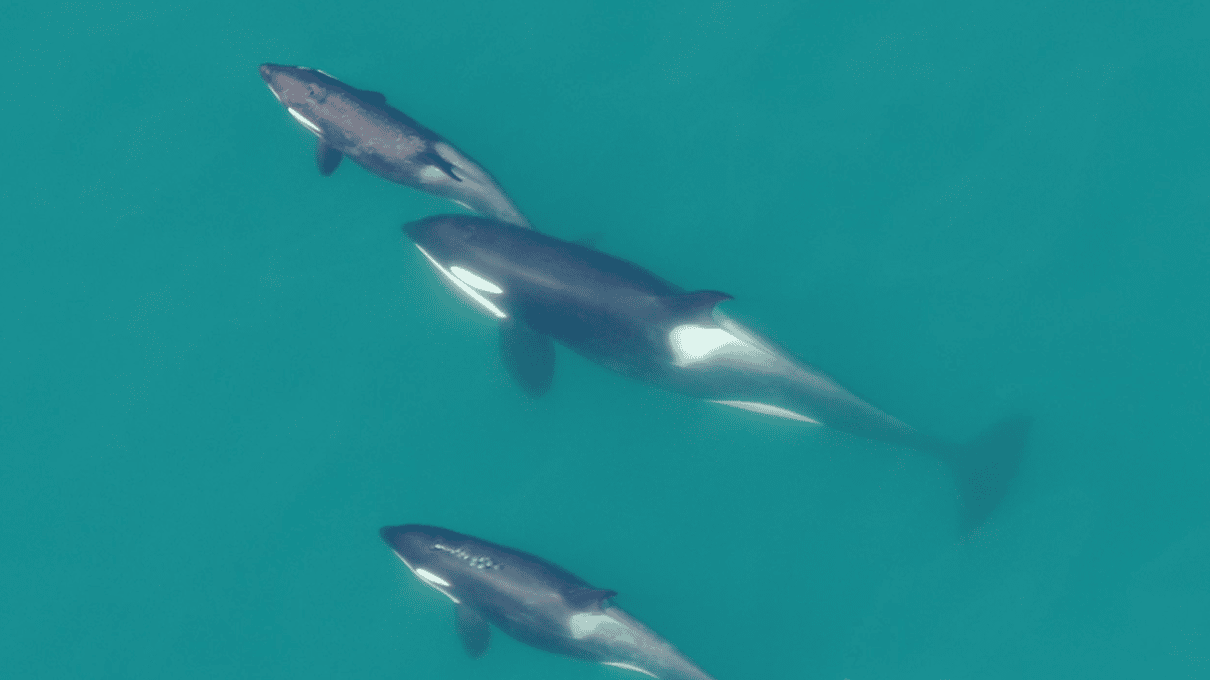
Most of us come home from a whale tour with a few blurry backs and one decent tail. Alaska Whales & Drones, from ~$250, tackles that problem from above. Captain Josh's crew launches a professional filmography drone from the boat while you watch the whales from the deck, then plays the footage on board. Every group goes home with the day's drone footage on a USB drive, including a video of the passengers, and reviewers say the crew also AirDrops clips straight to phones. That drive is why so many reviewers call this tour the souvenir of their cruise. Its ratings are close to perfect on both booking sites, with more than 500 reviews on Viator alone.
The catch is the price, which sits above the cheapest tour, and the footage depends on the whales like everything else on the water. The company advertises a 100% success rate at finding humpbacks. Treat that as a boast about its record, not a promise for your day. One drive goes to each group, so a party booked together shares it. A reviewer summed the tour up as pricey but unlike any other excursion in port, and what a Hoonah whale watching tour costs weighs that premium against the other boats. You will find it at our pick on the home page too.
Leave your own drone packed
Flying a personal drone near whales is a bad idea on any tour. The Marine Mammal Protection Act forbids harassing marine mammals, and a drone hovering low over a surfacing humpback can count as harassment under federal rules. Boats in Alaska waters must keep a distance of at least 100 yards (91 m) from any humpback, and those rules exist so the whales can feed undisturbed. A crowded rail in a stiff breeze is also a poor place to launch anything. Leave the flying to the crew on the drone tour, and ask the operator before you take a drone out of its case on any other boat.
Drone footage to take home
Alaska Whales & Drones flies a filmography drone from a small boat of 14 passengers at most and hands each group a USB drive of the footage, from ~$250. Cancel free up to 24 hours ahead, or reserve now and pay later.
Camera settings for whales
With an interchangeable-lens camera or a bridge camera, these settings cover most whale moments.
- Zoom. Aim for 200–400 mm in full-frame terms. Boats stay 100 yards off, though whales sometimes surface closer on their own, and then a shorter focal length saves the shot;
- Shutter speed. 1/1000 s or faster freezes spray and a rolling back from a moving boat. Let auto ISO handle the light on grey days;
- Burst mode. A tail rises and slips under in a few seconds. Hold the shutter down and choose the frame later;
- Continuous autofocus. Tracking focus keeps up while the boat rocks and the whale moves;
- A polarizing filter. It cuts glare off the water, so the dark back of a whale stands out from the surface.
Timing matters more than gear. Watch for the blow, the cloud of breath that marks where a whale has come up, and focus there. A humpback often breathes a few times, then arches its back high before a deep dive, and that arch is your cue that the fluke may follow. Those tail shots have a use beyond the album, since the pattern under each tail identifies an individual animal, and researchers rely on fluke photos to tell the humpback whales apart.
Taking whale photos with a phone
A phone does well if you work with its limits rather than against them.
- Shoot wide. Frame the whale with water and mountains around it. A whole scene tells the story better than a speck at full zoom;
- Skip digital zoom. Pinching in throws away detail. Use the phone's telephoto lens if it has one, and crop later;
- Record video. Start filming when the blow appears and keep rolling. You catch the sound of the breath, and you can pull a still from the clip at home;
- Use burst. Most phones fire a burst when you hold or slide the shutter button;
- Keep it tethered. A wrist strap, plus a dry bag between sightings, guards against a drop over the rail or a soaking.
Where to stand, and which boats help
Shoot from the open deck whenever you can. Cabin glass adds reflections and often carries rain spots or a film of dried salt, which softens every frame. Boats with plenty of rail space make this easier. Catch of the Day, from ~$236, runs a 38-foot boat for 16 people at most, with a heated cabin plus an open deck, and its reviewers often report orcas. Glacier Wind Charters, from ~$285, takes up to 13 guests with room inside and out, though the booking is non-refundable. If you would rather stay in the warm, Icy Strait Whale Adventures, from ~$302, has panoramic cabin windows that open, so you can shoot with no glass in the way.
Watch the birds as well as the water. When gulls start gathering over one patch of the strait, they often mark the spot where humpbacks will come up, and on some trips a group bursts through the surface together in bubble-net feeding. Point the lens at the birds and wait with your finger on the shutter. Small boats, big boats, whale guarantees compares the decks, and humpbacks, orcas and Icy Strait wildlife covers what else may surface.
Rain and salt on the gear
Icy Strait is hard on gear. A rain cover, or a plain plastic bag with a hole for the lens, keeps a camera working in drizzle, and a microfiber cloth in an inside pocket clears drops from the front glass. Salt spray dries into a sticky film, so wipe the body with a damp cloth back on the ship. Cold drains batteries faster, so carry a spare close to your body. Thin gloves let you work the buttons without numb fingers, and what to wear whale watching in Alaska handles the rest of the outfit. If staring through a viewfinder on a rocking boat unsettles your stomach, lower the camera and look at the horizon for a while; seasickness on Icy Strait whale tours explains why that helps. Light and weather shift through the summer, and the best time for whales in Hoonah goes month by month.
Bears, and a boat of six
The whale and bear trip run by Wooshkeetaan Tours, from ~$275, carries no more than six guests, so every passenger gets a place at the rail, and it scans the shoreline for brown bears between whales. Its catch is that small size. Six seats fill fast, and with 91+ reviews on Viator (4.9) it has far fewer than the main six. Bears turn up only occasionally.
For bears on land there is a separate van trip into the Chichagof forest, the brown bear search with Hoonah Travel Adventures, from ~$164. Chichagof Island has among the densest brown bear populations anywhere, and a long lens is the right tool if one steps out. Ratings are mixed, since Viator reviewers give it 3.9 and GetYourGuide reviewers 4.2, and no bear is guaranteed. Young photographers can join many of the whale boats as well; whale watching in Hoonah with kids lists the age rules.